
Medical professional from Jordan braved difficult conditions to assist in childbirths of Palestinian infants within Gaza region
In the besieged Gaza Strip, women and children continue to bear the brunt of ongoing military operations and blockade, with the humanitarian situation remaining dire. According to multiple reports, these vulnerable groups face extreme food scarcity, acute malnutrition, constant insecurity, and a heightened risk of violence.
Since October 2023, over 1.9 million Palestinians have been displaced multiple times, and nearly all women report feeling unsafe in overcrowded refugee camps with limited access to healthcare and basic supplies. The United Nations Children's Fund (UNICEF) has reported severe malnutrition among women and children, with 71,000 children and over 17,000 women suffering from acute malnutrition. This has led to increased long-term health risks and mortality, including among infants like four-month-old Jinan Iskafi, who died from severe malnutrition due to the lack of critical medical supplies blocked by the siege.
Gender-based violence has also surged, exacerbated by displacement, hunger, and psychological trauma. Many women suffer from depression, anxiety, and nightmares as a result.
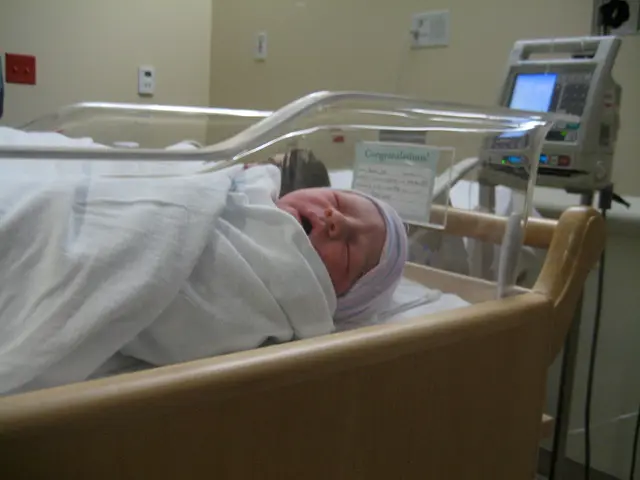
Despite these immense challenges, medical professionals and humanitarian organizations on the ground are actively supporting women. Obstetrician Asil Al-Jallad, 40, from Tulkarm in the West Bank, traveled to Gaza to volunteer her services. Working in a field hospital in Al-Mawasi, Khan Younis, in the southern Gaza Strip, Asil aided hundreds of women with their monthly check-ups and delivering babies. During her month-long stay, she assisted over 500 women in delivering babies and provided scans for 100-200 pregnant women every day.
Asil encountered numerous complications common among women in low-socioeconomic classes, including postpartum bleeding and inadequate documentation of newborns. She worked alongside the International Medical Corps and volunteer doctors from around the world, but the hospital lacked essential medical supplies, painkillers, epidural anaesthesia, feminine hygiene products, and more.
The hospital primarily served displaced women, many of whom arrived to give birth without their husbands due to fear of detection by the Israeli army. According to the Palestinian health ministry, 490 medical workers have been killed, 310 have been wounded, and 80 percent of hospitals have ceased functioning since the outbreak of war on 7 October.
In addition to the dire humanitarian situation, Gaza has become one of the most dangerous environments for women and girls, according to ActionAid. Over one million Palestinian women and girls are facing catastrophic hunger, with almost no access to food, safe drinking water, functioning toilets, or running water.
Asil returned to Amman a week ago but is eagerly awaiting her next opportunity to aid Gaza, pending a call from the Jordan Medical Association. She stated, "Anyone given the chance to assist those in need should not hesitate."
While specific details about individual medical professionals like Asil Al-Jallad are not mentioned in the available sources, it is clear that healthcare workers in Gaza hospitals are tirelessly treating severe malnutrition cases and providing emergency care under blockade conditions. Amnesty International’s interviews illustrate the crucial role of medical staff confronting the consequences of starvation and violence amidst deteriorating infrastructure and restricted aid.
In summary, women in Gaza endure immense hardship due to starvation, displacement, and violence, with medical and humanitarian actors striving to mitigate suffering through health services, safe spaces, and psychosocial support amid an ongoing humanitarian catastrophe.
- The ongoing military operations and blockade in the Gaza Strip have left women and children in a precarious situation, with the humanitarian crisis worsening.
- Reports indicate a severe food scarcity and acute malnutrition among the vulnerable groups in Gaza.
- Since October 2023, over 1.9 million Palestinians have been displaced multiple times, and many women feel unsafe in overcrowded refugee camps.
- UNICEF has reported severe malnutrition cases among women and children, with 71,000 children and over 17,000 women affected.
- The increased long-term health risks and mortality due to malnutrition have extended to infants like four-month-old Jinan Iskafi.
- Gender-based violence has risen, exacerbated by displacement, hunger, and psychological trauma.
- Depression, anxiety, and nightmares are common among women due to the current situation.
- Despite the challenges, medical professionals like Obstetrician Asil Al-Jallad are providing services to women at field hospitals.
- Asil, a volunteer from Tulkarm, assisted hundreds of women with check-ups and deliveries in Al-Mawasi, Khan Younis.
- During her service, Asil encountered complications common among low-socioeconomic women, such as postpartum bleeding and inadequate newborn documentation.
- The hospital lacked essential medical supplies and facilities like painkillers, epidural anaesthesia, feminine hygiene products, and running water.
- Displaced women often came to give birth without their husbands due to fear of detection by the Israeli army.
- The Palestinian health ministry has reported that 490 medical workers have been killed, 310 wounded, and 80 percent of hospitals have ceased functioning.
- In addition to the humanitarian crisis, over one million Palestinian women and girls face catastrophic hunger with almost no access to basic amenities.
- Healthcare workers in Gaza hospitals work tirelessly treated severe malnutrition cases and provide emergency care under blockade conditions.
- Amnesty International's interviews highlight the vital role of medical staff facing the consequences of starvation and violence amidst deteriorating infrastructure and restricted aid.
- The middle east news continues to highlight the plight of women in Gaza, who endure starvation, displacement, and violence.
- With the ongoing conflict, chronic diseases like malnutrition and acute malnutrition are prevalent in Gaza.
- The lack of critical medical supplies exacerbates health conditions and increases mortality rates, especially among infants.
- Psychological conditions like depression, anxiety, and nightmares are widespread among women living in Gaza.
- In the realm of science, experts delve into analyzing the effects of war and violence on mental health and chronic diseases.
- The workplace-wellness sector emphasizes the importance of creating a supportive environment to manage and prevent chronic diseases.
- Medical-conditions like malnutrition and respiratory conditions frequently arise due to poor living conditions and inadequate access to healthcare.
- Digestive health issues, eye health problems, and hearing difficulties are also common among Gaza residents.
- Health-and-wellness centers offer therapies and treatments for various medical conditions across the Gaza Strip.
- In an attempt to tackle the high prevalence of chronic diseases, autoimmune disorders have emerged as a topic of interest in the medical field.
- Climate-change initiatives seek to address the impact of environmental degradation on health and wellness, particularly in regions like the Middle East.
- The manufacturing industry aims to produce eco-friendly and sustainable products to reduce its carbon footprint and contribute to environmental conservation.
- Mental-health counsellors work to help individuals cope with trauma and stress, particularly in areas like the Gaza Strip.
- Men's-health concerns, like prostate cancer and heart disease, receive increased attention, as do women's-health matters, such as reproductive health and skin care.
- Parenting resources provide guidance on raising children with good physical and mental health.
- Cardiovascular-health education is vital to prevent chronic conditions like hypertension and heart disease, especially in populations affected by conflict.