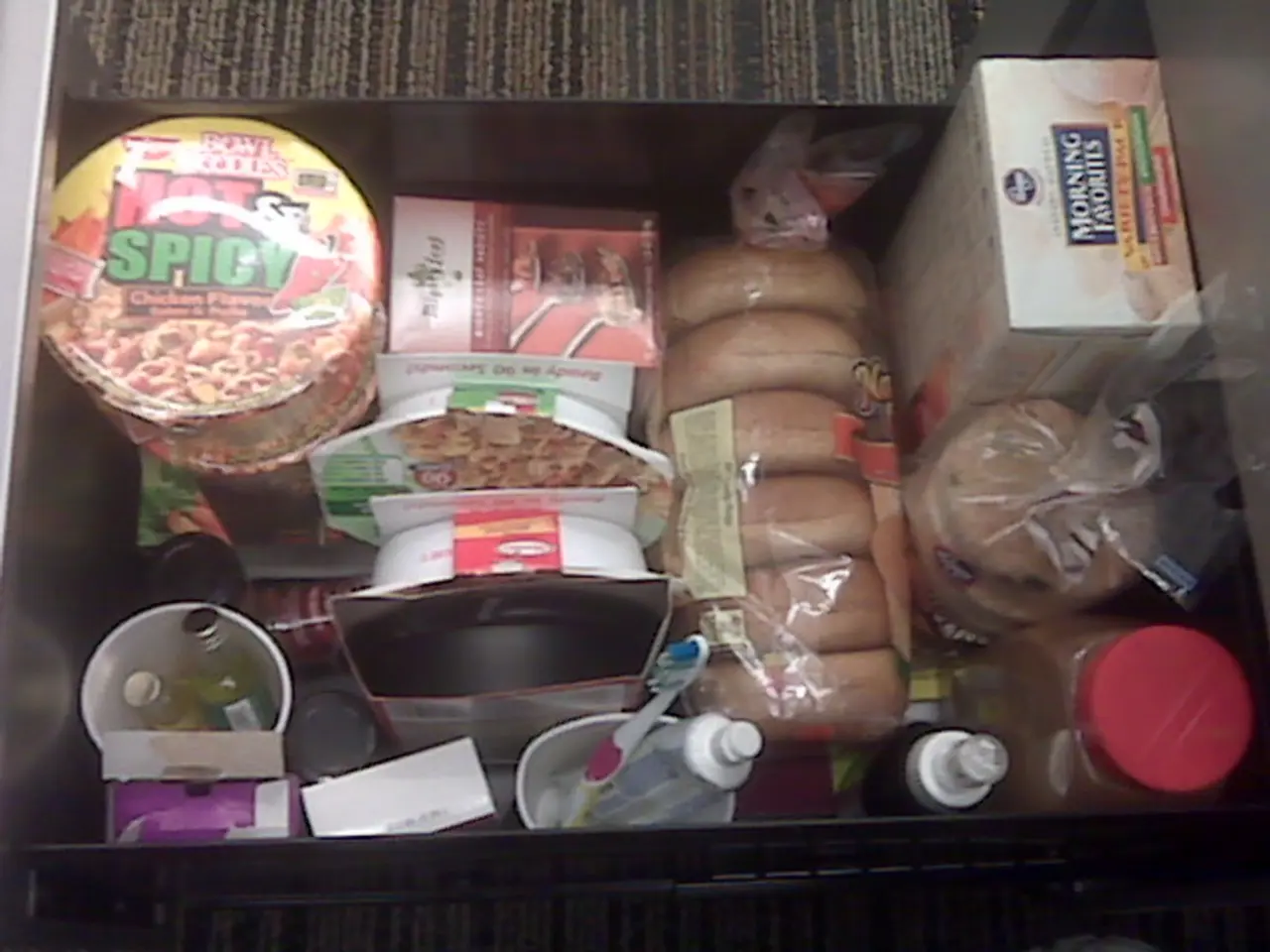
Necessary items for a domestic emergency preparedness collection
Preparing Your Home Emergency Kit: A Comprehensive Guide for Victoria Residents
In the face of emergencies such as bushfires, floods, or prolonged power outages, having a well-stocked home emergency kit can make all the difference. Here's a guide to help you create a comprehensive kit tailored to the unique needs of Victoria residents.
First Aid Supplies
A first aid kit is an essential component of any emergency kit. It should include:
- Adhesive bandages (Band-Aids) of various sizes
- Antiseptic wipes or refresher towels with alcohol
- Basic medications such as painkillers, antacids, and any required prescription drugs
- Sterile dressings and bandages
- Safety pins and rubber bands for securing dressings or repairs
- N95 masks for potential airborne hazards
- Hand sanitizer
- Small scissors and tweezers
- Emergency suturing materials (if qualified)
- Consider multiple kits placed in convenient locations around the home
Water and Food
Water and food are critical for survival. Your kit should contain:
- At least 3 liters of water per person per day for several days
- Non-perishable, easy-to-prepare food items such as canned goods, energy bars, and dried fruits
- Water purification tablets (e.g., Puritabs) to ensure safe drinking water if supply is compromised
- Fishing kit (hooks, sinkers, line) as an additional food source in survival scenarios
Lighting and Power
Power outages are common during emergencies. To navigate in the dark, your kit should include:
- Battery-powered or hand-crank torch/flashlights with spare batteries
- Candles and waterproof matches or a reliable fire starter
- A solar-powered or battery-operated radio for emergency broadcasts
Important Documents
In an emergency, having access to important documents is crucial. Store copies of:
- Identification, insurance policies, medical records, and emergency contacts sealed in waterproof bags
- A list of family members’ medical conditions and medications
Communication Devices
Staying connected is vital during emergencies. Your kit should contain:
- Fully charged mobile phones with portable power banks
- Two-way radios or a whistle for signaling
- Signal mirror for visual signaling in survival situations
Protective Clothing and Shelter
Protective clothing and shelter help keep you safe and comfortable during emergencies. Pack:
- Weather-appropriate clothing including sturdy footwear, hats, rain ponchos, and gloves
- Survival blankets or space blankets
- Plastic bags for water collection or waste disposal
- Wire or cords and safety pins for shelter construction or repair
Multi-Purpose Tools
A sturdy pocket knife or multi-tool including scissors, screwdrivers, and pliers is a versatile tool in an emergency. Consider adding a wire saw or small saw for cutting wood or branches.
Spare Cash
In some situations, electronic payments may not be an option. Keep small denominations of cash in waterproof packaging for emergency purchases.
Medications and Toiletries
Don't forget to pack essentials like:
- Prescription medications with extra supplies
- Baby supplies: diapers, formula, baby food, and wipes
- Pet supplies: food, water, medication, and identification
- Basic toiletries: soap, toothbrushes, toothpaste, feminine hygiene products, and toilet paper
For Families with Babies or Pets
- For families with babies, the home emergency kit should contain enough nappies, wipes, food, a bottle, and baby formula for at least three days.
- For pets, keep enough food and clean water to sustain them for at least five days, including feeding bowls, a leash and collar with ID tags, medicines with clear instructions, waste cleaning products, and some bedding and comfort toys.
Location and Replenishment
Store the kit in a waterproof container, above floor level, and ensure everyone in the house knows its location. Regularly check and replenish the kit to keep medications in date and items functional. Having multiple kits in different locations (home, vehicle, workplace) enhances accessibility.
This comprehensive list is based on expert advice and emergency preparedness resources relevant to Victoria, ensuring readiness for a wide range of emergency scenarios. By following these guidelines, you can help keep your family safe and healthy during emergencies.
Science plays a crucial role in the development of advancements like water purification tablets, solar-powered devices, and survival kits, which are integral to health-and-wellness during emergencies. Moreover, understanding the impact of weather patterns on emergencies, such as floods and bushfires, can aid Victoria residents in making informed decisions about their home emergency kits.