Osgood-Schlatter Disease: An Overview
Osgood Schlatter, a common knee condition, primarily affects adolescents, particularly those involved in sports. Named after the physician who first described it, the condition occurs when the patellar tendon pulls on the growth plate at the top of the shinbone (tibia), leading to inflammation and pain.
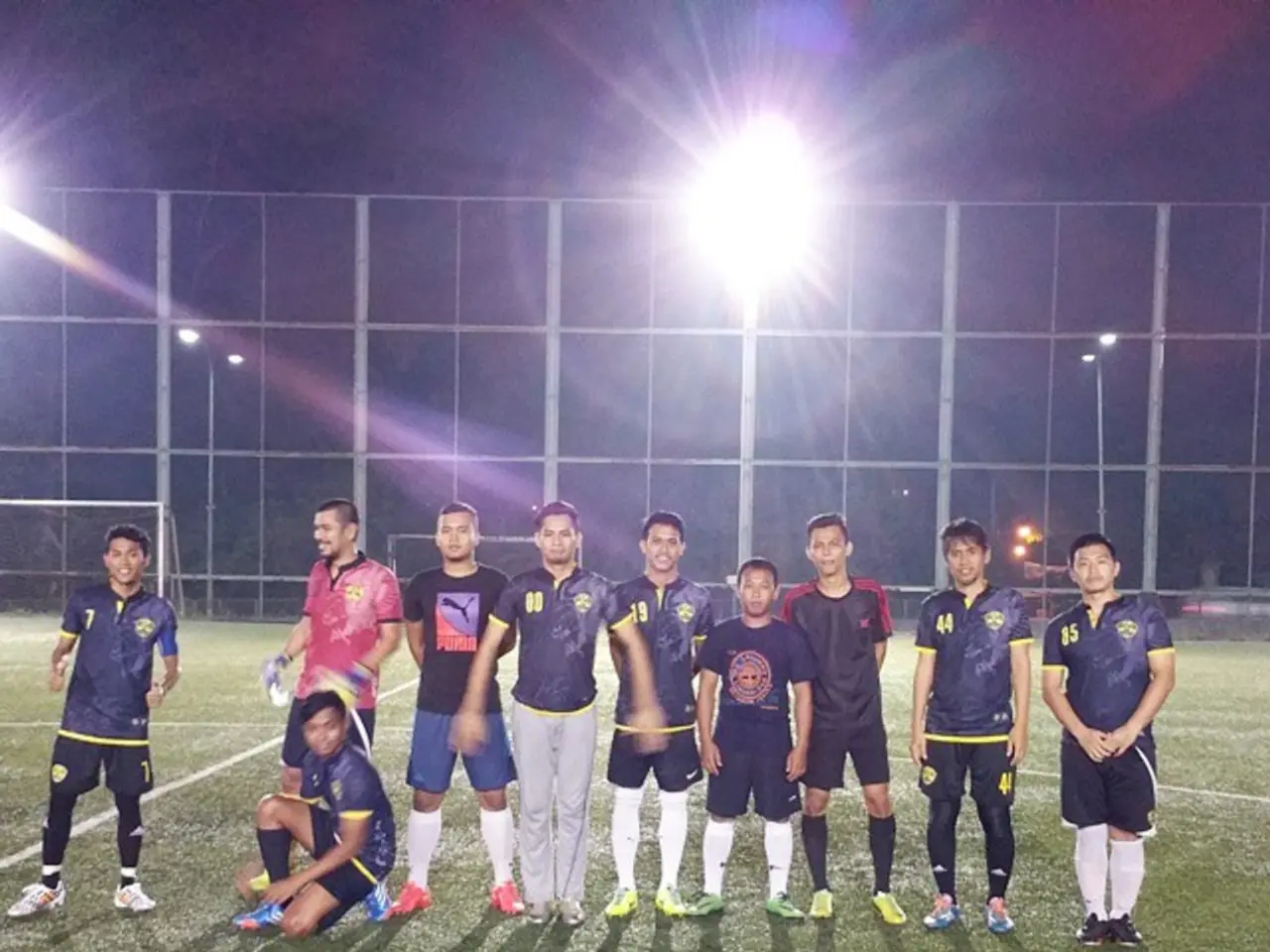
Common sports associated with the development of Osgood-Schlatter disease are those involving repetitive running, jumping, and cutting movements that place strain on the knee's growth plate near the tibial tubercle. These sports include soccer, basketball, volleyball, gymnastics, and football.
The Osgood Schlatter condition arises when the quadriceps muscle, responsible for extending the knee, exerts excessive tension on the patellar tendon, leading to irritation and inflammation at the tibial tuberosity. This can result in a bony bump developing over time due to the ongoing irritation and inflammation.
Common signs of Osgood Schlatter include pain below the kneecap, swelling, tenderness, increased pain with activity, and improvement with rest. Growth spurts can exacerbate the condition by causing a mismatch between the growth of bones and the surrounding muscles and tendons.
Treating the Osgood Schlatter condition focuses on relieving pain and inflammation while allowing the affected area to heal. Conservative treatments include rest, ice therapy, compression, elevation, physical therapy, and medications. Home remedies such as stretching and strengthening exercises, over-the-counter pain relief, and dietary considerations can also be beneficial.
Children who have a family history of knee problems or Osgood Schlatter may be more likely to develop the condition themselves. In rare cases, surgical intervention may be considered for Osgood Schlatter condition when conservative treatments do not provide relief and the condition severely impacts daily activities.
Preventive measures include proper warm-up and cool down, paying attention to footwear, gradual increase in activity, strength training, listening to your body, and regular check-ups. Regular follow-ups with a healthcare provider can help monitor progress and adjust treatment plans as necessary.
Imaging tests such as X-rays may be ordered to rule out other conditions or to visualize the growth plate in the knee. Diagnosing the Osgood Schlatter condition typically involves a physical examination and assessment of signs and symptoms such as knee pain, swelling, tenderness, stiffness, and range of motion.
Inappropriate or worn-out footwear can contribute to biomechanical issues and increase the risk of Osgood Schlatter. Proper footwear is essential in maintaining good posture and alignment, which can help prevent the onset or recurrence of Osgood Schlatter.
In conclusion, Osgood Schlatter is a knee ailment that primarily affects adolescents, particularly those involved in sports. By understanding the condition, its causes, and effective treatment methods, athletes and parents can take steps to manage and prevent Osgood Schlatter.
CBD may potentially provide relief for the inflammation and pain associated with medical conditions like Osgood Schlatter, a common knee condition in adolescents, particularly those involved in sports. Health-and-wellness practices, combined with conventional treatments such as physical therapy and medications, could help manage chronic diseases like Osgood Schlatter more effectively.