
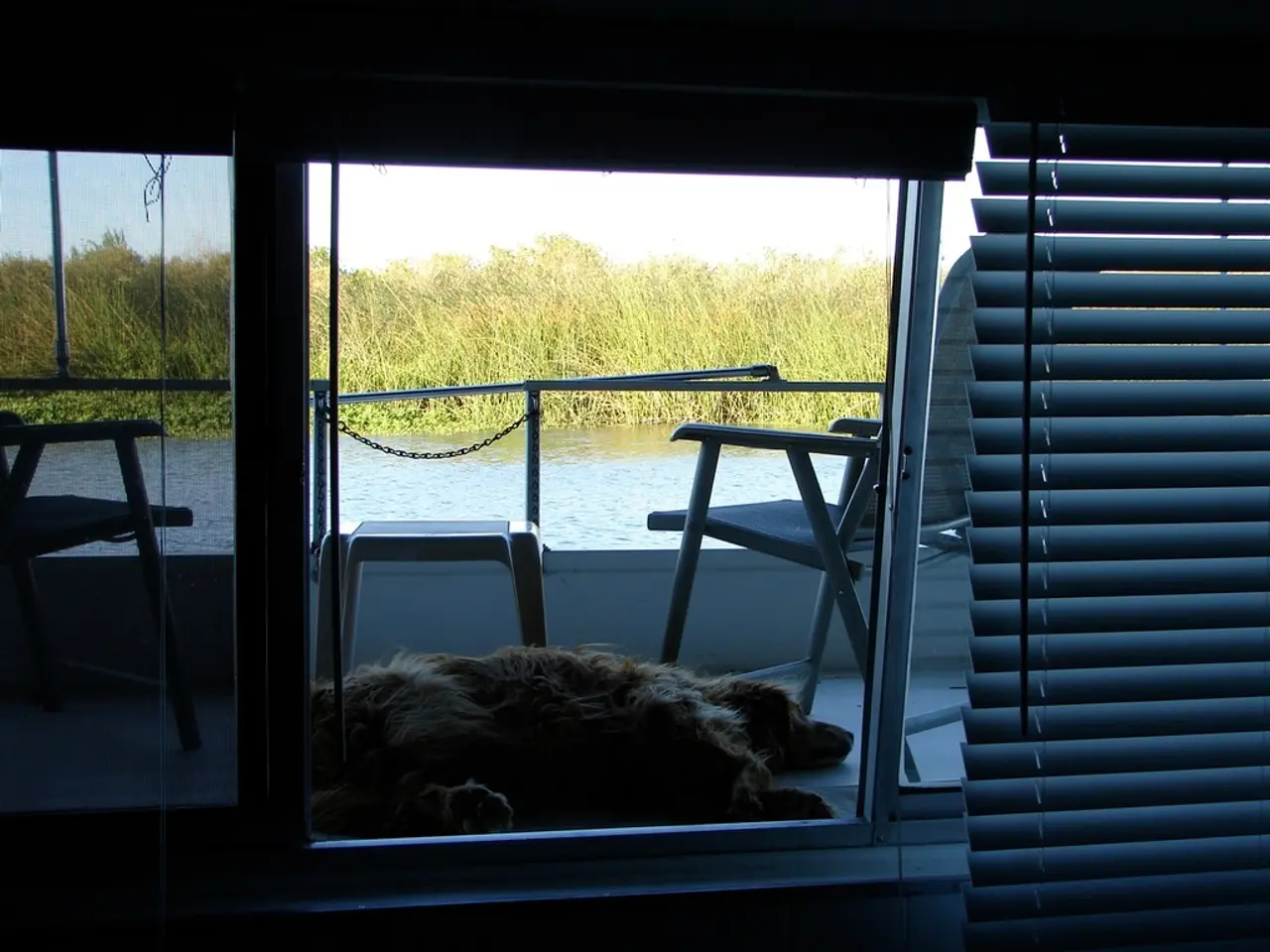
Protection Strategies for Canines During the Summer Heat:
As the summer months approach, it's essential to be aware of the unique challenges that the season poses for our furry friends. In this article, we'll explore how to identify and prevent heat-related conditions in dogs, as well as other summer hazards that pet owners should be mindful of.
### Identifying Heat-Related Conditions in Dogs
Early recognition of heatstroke or overheating is crucial to ensure your dog stays safe during the summer. Common signs of heatstroke include rapid, heavy panting or difficulty breathing, excessive drooling, bright red or purplish gums, lethargy, weakness, or collapse, vomiting or diarrhea, disorientation, seizures, or unconsciousness in severe cases. Early overheating may show as heavy panting, seeking shade, increased thirst, and tiredness, while severe heatstroke requires immediate emergency attention.
### Preventing Heat-Related Conditions
To prevent heat-related illnesses, follow these simple steps:
1. **Provide Constant Access to Fresh Water and Shade:** Ensure your dog has plenty of fresh, cool water and access to shaded or air-conditioned areas at all times.
2. **Avoid Walking or Exercising During Peak Heat:** Use the pavement test to check ground temperature: if the pavement is too hot for your hand, it's too hot for your dog's paws. Walk your dog early in the morning or late evening when temperatures are cooler. As a general rule: - Under 75°F: Safe for most dogs - 75–85°F: Use caution, especially for thick-coated or flat-faced breeds - Above 85°F: Limit activity to short potty breaks - At 90°F or higher: Avoid outdoor exercise entirely
3. **Never Leave Dogs in Parked Cars:** A parked car's interior temperature can rise dangerously in minutes, posing a life-threatening risk for dogs.
4. **Protect Paws from Hot Pavement:** Hot surfaces can burn paw pads. Avoid walking on asphalt or concrete during high heat periods.
5. **Give Extra Care to Vulnerable Dogs:** Flat-faced, senior, overweight, or dogs with thick coats are more prone to heatstroke and need extra vigilance.
### What to Do If You Suspect Heatstroke
- Move your dog to a cool, shaded area immediately - Apply room temperature (not ice-cold) water to paws, belly, and groin - Use wet towels and a fan if available to aid cooling - Offer small sips of water if conscious and able to drink - Contact your veterinarian or emergency clinic immediately and prepare for prompt transport, keeping your dog cool on the way
### Other Summer Hazards
In addition to heat-related conditions, summer presents several other hazards for dogs. These include:
- Foxtails, a dangerous but often overlooked summer hazard, found in dry, grassy areas. They can burrow into a dog's skin, causing painful infections or internal migration. - Bee or wasp stings - Heat-retaining surfaces like asphalt - Toxic plants - Stagnant water containing blue-green algae or bacteria - Ear infections caused by trapped moisture during swimming
### Protecting Dogs from Parasites
Summer is prime time for external and internal parasites like fleas, ticks, and mosquitoes. To protect your dog from these pests:
- Keep them on year-round parasite prevention as recommended by the veterinarian - Check thoroughly after outdoor activities - Avoid walks at dusk and dawn in mosquito-heavy areas
### Hydration and Sun Protection
Hydration is one of the most critical ways to protect dogs during hot weather. Always offer fresh, cool water throughout the day. For sun protection, limit sun exposure during peak hours, provide ample shade when outdoors, and consider using pet-safe sunscreen.
In conclusion, by monitoring signs closely, managing exposure to heat, providing hydration and shade, and avoiding risky environments like hot pavement or cars, you can effectively prevent heat-related illnesses and keep your dog safe during summer months. Be proactive, not reactive, in protecting your dog during summer by walking early or late in the day, carrying water, avoiding hot surfaces, never leaving dogs in parked cars, and keeping parasite preventatives up to date.
In the realm of science and health-and-wellness, it is essential for pet owners to be aware of the unique challenges that summer poses for their furry companions, particularly heat-related conditions in dogs. To prevent such illnesses, owners should provide constant access to fresh water and shade, avoid walking or exercising during peak heat, never leave dogs in parked cars, protect paws from hot pavement, give extra care to vulnerable dogs, and be mindful of other summer hazards like foxtails, toxic plants, stagnant water containing blue-green algae or bacteria, ear infections caused by trapped moisture during swimming, bee or wasp stings, and heat-retaining surfaces like asphalt. Moreover, ensuring proper hydration and sun protection, such as limiting sun exposure during peak hours, providing ample shade when outdoors, and using pet-safe sunscreen, is also crucial for a dog's health and wellbeing during the summer season.